Slicker vs Recurly: Which recovers failed subscription payments better? (2025)

Slicker recovers failed subscription payments better than Recurly by delivering 10-20 percentage point increases in recovery rates through AI-powered multi-gateway routing and pay-for-success pricing. While Recurly reports 55.4% of merchants decreased churn using their retry features, Slicker's specialized recovery engine achieves superior results without platform lock-in or upfront costs.
TLDR
• Subscription businesses lose 9% of revenue to failed payments, costing the industry $129 billion in 2025 • Recurly's Intelligent Retries require expensive enterprise tiers and have hard caps at 7 declines or 60 days • Slicker's AI engine routes payments through optimal gateways, achieving 7-13 percentage point approval lifts compared to single processors • Independent benchmarks show 70% of involuntary churn is recoverable with sophisticated retry strategies • Slicker offers risk-free implementation with 5-minute setup and pay-for-success pricing • Multi-gateway routing becomes critical as transaction failure rates can spike to 70% for certain payment types
Recurly's latest price hikes have renewed CFO focus on cutting the 9% of subscription revenue normally lost to failed subscription payments. The post frames the stakes, then compares Slicker and Recurly on recovery tech, benchmarks and total cost.
Why Recurly's 2025 price hikes put failed subscription payments in the spotlight
Failed subscription payments quietly drain billions from the digital economy. The stakes are stark: subscription businesses lose 9% of revenue due to payment failures, while involuntary churn could cost $129 billion in 2025 alone. For a company processing $100 million annually, that's $9 million vanishing into failed transactions.
Recurly's pricing adjustments compound this pressure. Their Shopify subscriptions start at $499 USD/month plus 1% of monthly subscription volume. For enterprise customers with more than $1 million in Total Payment Volume, costs scale based on contract length and volume tiers. When platform costs rise while recovery rates stagnate, CFOs face a double squeeze: higher expenses and persistent revenue leakage.
The math becomes especially painful when you factor in the hidden costs of payment failures. Beyond the immediate revenue loss, failed payments trigger cascading problems. Customer lifetime value drops. Support tickets spike. Engineering resources get diverted to firefighting rather than growth initiatives. Each failed payment represents not just lost revenue today, but potentially months or years of future subscription value that walks out the door.
How do Recurly's Intelligent Retries and new pricing tiers work?
Recurly's Intelligent Retries employ machine learning trained on billions of transactions to determine optimal retry timing for declined payments. The system differentiates between soft declines (temporary issues like insufficient funds) and hard declines (permanent problems like stolen cards), applying unique logic to each scenario.
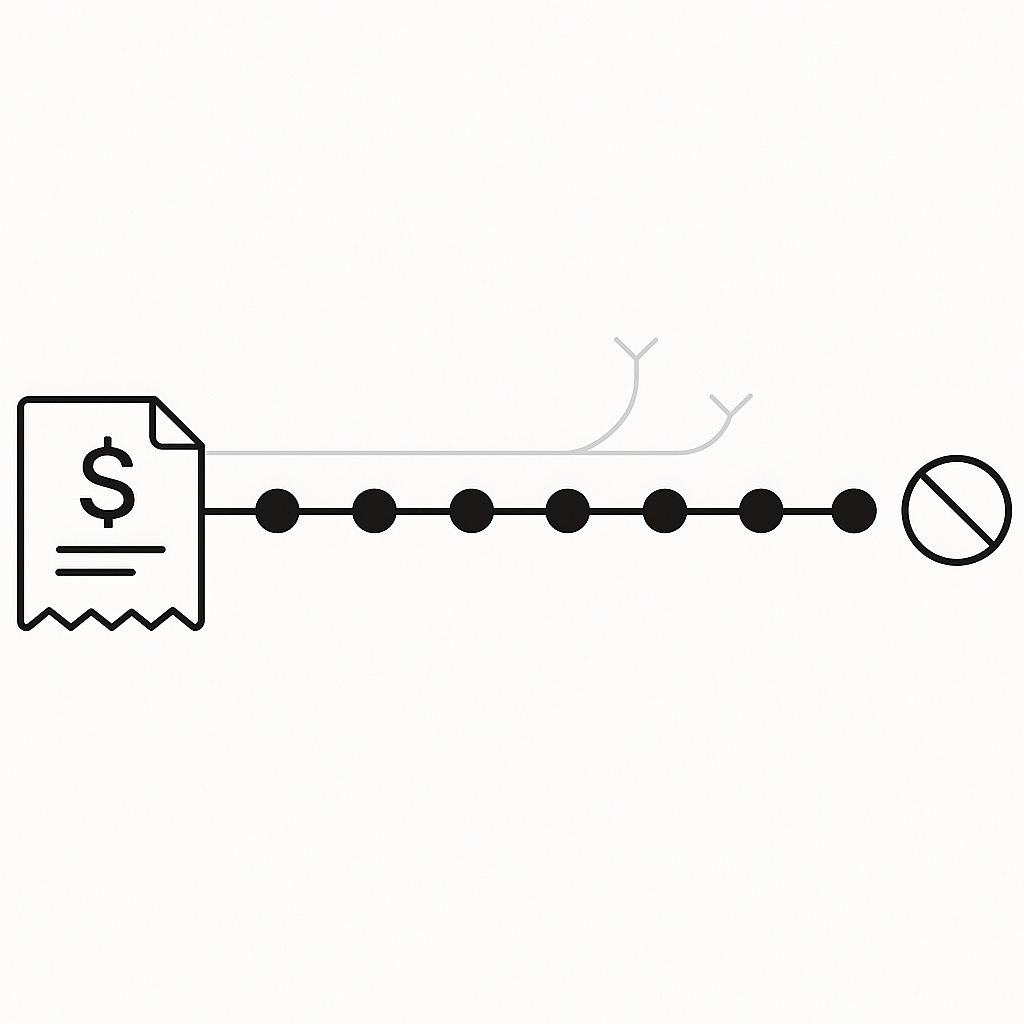
The technology comes with built-in limitations. According to their documentation, "Retries will cease after 7 transaction declines, 20 total transaction attempts, or 60 days since the invoice creation" - a hard cap that means some recoverable payments slip through simply because the retry window closes. Additionally, Recurly doesn't automatically retry most direct debit methods like ACH and iDEAL, leaving a gap in recovery coverage for businesses using these payment methods.
Access to these features depends on your pricing tier. The Intelligent Retries feature isn't available in Starter or Pro plans, requiring an upgrade to access the machine learning capabilities. According to their documentation, 55.4% of Recurly merchants decreased overall churn rates using retry features, though this statistic encompasses their entire retry suite, not just the AI-powered component.
The pricing structure creates a challenging equation for mid-market companies. You need sufficient volume to justify the higher tier costs, but without the advanced retry features, you may struggle to recover enough revenue to reach that volume threshold. It's a catch-22 that forces businesses to choose between accepting higher payment failure rates or committing to enterprise pricing before proving ROI.
How does Slicker's AI engine turn failed transactions into recovered revenue?
Slicker's proprietary engine takes a fundamentally different approach to payment recovery. Rather than applying preset retry schedules, the AI processes each failing payment individually, evaluating dozens of parameters including issuer behavior, transaction history, and network conditions to determine the optimal recovery strategy.
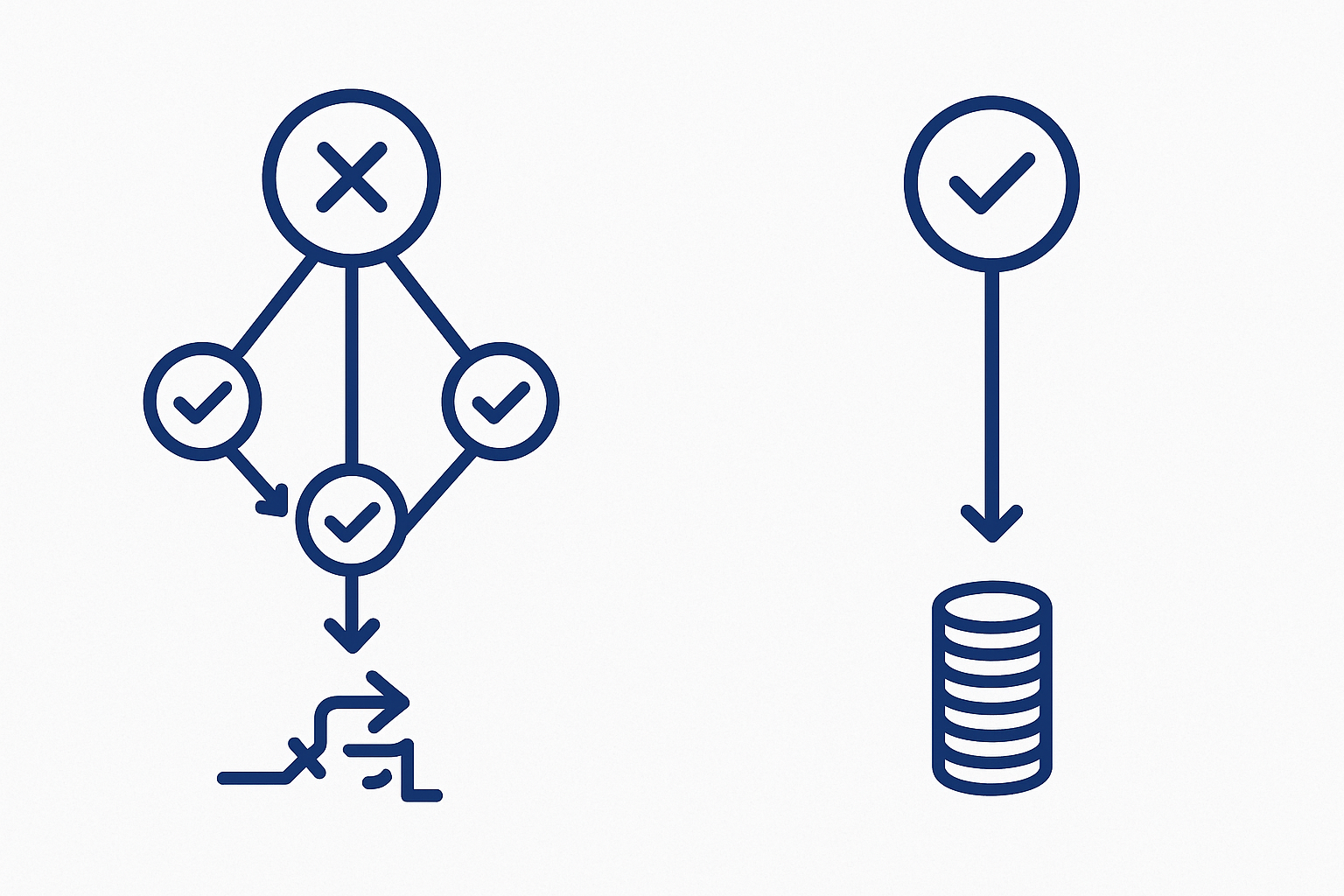
The system's multi-gateway routing capability sets it apart. While traditional platforms retry through the same gateway that failed, Slicker routes each retry through optimal processors with highest success probability. This approach delivers 7-13 percentage point approval lifts compared to single-processor setups. For high-volume merchants, those percentage points translate directly to millions in recovered annual recurring revenue.
Slicker's pricing model aligns vendor and customer incentives through pay-for-success pricing. You only pay for successfully recovered payments, eliminating the risk of paying for a tool that doesn't deliver results. The first month comes free, allowing businesses to validate performance with their specific payment mix before committing financially.
The platform integrates with existing infrastructure rather than replacing it. Supporting Stripe, Chargebee, Recurly, Zuora, and Recharge, Slicker acts as an intelligent layer on top of your current billing system. This approach preserves your existing workflows while adding recovery capabilities that native billing logic can't match.
Slicker vs Recurly: What do independent benchmarks reveal in 2025?
Real-world performance data paints a clear picture of the recovery landscape. Industry analysis shows that companies switching to intelligent retry strategies see 20-50% increases in recovered revenue. The key differentiator isn't just having retry logic—it's how that logic adapts to each unique failure scenario.
Churnkey's comprehensive analysis of 6 million failed payments revealed that 70% of involuntary churn can be recovered with sophisticated retry strategies. But achieving these recovery rates requires more than basic retry schedules. Success depends on intelligent timing, routing flexibility, and the ability to learn from each transaction attempt.
Transaction failure rates vary dramatically by context. While the average failure rate is 35%, it can spike to 70% or higher for certain transaction types. Multi-gateway routing becomes critical here—when one processor struggles with a particular card type or region, intelligent routing finds alternative paths to approval.
Recurly reports that 55.4% of their merchants decreased churn using retry features, though this represents their entire user base, not just those on plans with Intelligent Retries. Slicker customers typically see 10-20 percentage point increases in recovered payments, with some achieving even higher lifts depending on their payment mix and customer geography.
The benchmarks reveal a critical insight: recovery performance depends less on the billing platform itself and more on the specialized recovery layer. Native billing logic, even with machine learning enhancements, can't match the performance of purpose-built recovery engines that evaluate each transaction across multiple dimensions and gateways.
What is the total cost of ownership to deploy and scale each platform?
Implementation speed dramatically impacts ROI. Slicker delivers 5-minute setup with no code changes required, getting recovery processes running before your next billing cycle. Recurly's implementation varies by tier and complexity, with advanced features requiring migration to higher-priced plans and potential integration work.
The pricing models reflect different philosophies about risk and value. Recurly charges flat fees plus percentages, meaning you pay regardless of recovery performance. These costs hit your P&L whether the platform recovers 10% or 50% of failed payments. Enterprise contracts lock in multi-year commitments, reducing flexibility to adjust if performance disappoints.
Slicker's pay-for-success model eliminates adoption risk. You only pay a percentage of successfully recovered revenue—money that would have been lost without intervention. This structure means Slicker only succeeds when you succeed. No recovered payments means no fees. The model particularly benefits companies testing recovery strategies or operating with tight margins.
Compliance and support costs add hidden expenses to the total cost equation. Both platforms maintain security certifications, but the overhead of managing payment recovery internally versus outsourcing to specialists can be substantial. When payment failures spike, having dedicated recovery infrastructure prevents your team from dropping growth initiatives to fight fires.
Long-term scalability affects lifetime platform value. As orchestration platforms can achieve 5-10% improvements, the ability to route payments intelligently becomes more valuable as transaction volume grows. On $200 million in annual volume, even a 2% lift means approximately $4 million in recovered revenue—far exceeding platform costs.
Key questions to ask before choosing your recovery partner
Evaluating payment recovery platforms requires asking pointed questions about capabilities and limitations. Start with the fundamentals: How does the platform handle different decline types? What's the actual recovery rate for businesses similar to yours? How quickly can you implement and see results?
Integration flexibility determines long-term success. Can the platform work with your existing billing system, or does it require a complete migration? How does it handle multiple payment gateways? What happens when you add new payment methods or expand internationally? The answers reveal whether you're buying a solution for today or building infrastructure for tomorrow.
Transparency in pricing and performance matters more than marketed features. Request specific metrics: What percentage of failed payments does the platform typically recover? How much of that recovery comes from intelligent retry timing versus basic retry attempts? What are the all-in costs including implementation, support, and transaction fees? Vendors confident in their technology share these numbers readily.
Poor integration can reduce approval rates by up to 20%, making implementation quality as important as platform selection. Consider the expertise required to maintain and optimize the system. Does your team have the bandwidth to manage payment recovery internally, or would a managed solution free resources for core business activities?
The feedback channel alone increases resubscription by 40.9%, highlighting how recovery extends beyond pure retry logic. Modern platforms must balance automation with customer communication, technical capabilities with user experience. The right partner doesn't just recover payments—they protect customer relationships while maximizing revenue recovery.
The bottom line on failed-payment recovery in 2025
The subscription economy's 9% revenue loss to failed payments represents both a massive problem and an untapped opportunity. As Recurly's pricing increases force CFOs to scrutinize every line item, the math becomes simple: recovery solutions must deliver measurable ROI or risk becoming another expensive overhead.
Slicker's combination of AI-powered routing, pay-for-success pricing, and rapid implementation addresses each pain point that subscription businesses face. While Recurly offers solid retry logic for enterprises already committed to their ecosystem, Slicker's specialized focus on recovery delivers superior results without the platform lock-in or upfront costs.
The evidence speaks clearly. Companies need recovery rates of 50-70% to meaningfully impact their bottom line. They need implementation measured in minutes, not months. They need costs tied to performance, not promises. In this landscape, specialized recovery platforms that integrate with existing infrastructure while delivering guaranteed ROI represent the future of payment recovery.
For businesses evaluating their options, the path forward is clear. Test Slicker's platform risk-free for a month. Measure the actual revenue recovered. Compare it to what you're recovering today—or what you'd recover with Recurly's latest pricing. The numbers will guide your decision, but given the benchmarks and customer results, the outcome is rarely in doubt.
Ready to stop leaving money on the table? Learn how Slicker's AI-powered recovery outperforms traditional approaches and start your free trial today.
Frequently Asked Questions
What are the main differences between Slicker and Recurly in payment recovery?
Slicker uses AI to evaluate each failed payment individually, optimizing recovery strategies, while Recurly relies on preset retry schedules. Slicker's multi-gateway routing offers higher recovery rates, whereas Recurly's retries are limited by plan tiers and transaction caps.
How do Recurly's pricing changes affect subscription businesses?
Recurly's 2025 price hikes increase costs for businesses, especially those with high transaction volumes. This, combined with stagnant recovery rates, pressures CFOs to find more cost-effective solutions for managing failed payments.
What is Slicker's approach to pricing for payment recovery?
Slicker offers a pay-for-success pricing model, where businesses only pay for successfully recovered payments. This eliminates the risk of paying for a service that doesn't deliver results, aligning vendor and customer incentives.
How does Slicker's AI engine improve payment recovery rates?
Slicker's AI engine analyzes multiple parameters for each failed transaction, such as issuer behavior and network conditions, to determine the best recovery strategy. This approach, combined with multi-gateway routing, significantly increases recovery rates.
What are the implementation differences between Slicker and Recurly?
Slicker offers a quick, 5-minute setup with no code changes required, allowing businesses to start recovering payments immediately. Recurly's implementation can vary in complexity and may require higher-tier plans for advanced features.
Sources
- https://www.slickerhq.com/blog/machine-learning-multi-gateway-routing-slicker-approval-lift-vs-single-processor
- https://docs.recurly.com/docs/retry-logic
- https://churnkey.co/reports/state-of-retention-2025
- https://recoverpayments.com/ai-in-payments/
- https://www.slickerhq.com/blog/dunning-emails-vs-intelligent-retry-logic-2025-subscription-revenue-recovery
- https://www.slickerhq.com/blog/soft-decline-retry-strategies-saas-cfos-q3-2025-guide
- https://recurly.com/pricing/
- https://www.slickerhq.com/
- https://www.slickerhq.com/pricing
- https://solidgate.com/blog/payment-orchestration-platforms
- https://y.uno/post/avoid-these-common-mistakes-when-integrating-multiple-payment-gateways
- https://papers.ssrn.com/sol3/papers.cfm?abstract_id=4873436
- https://www.slickerhq.com/blog/unlocking-efficient-ai-powered-payment-recovery-how-slicker-outperforms-flexpay-in-2025
Related Articles

Smart payment retries analytics: Track and optimize recovery rates
Smart payment retries analytics: Track and optimize recovery rates Smart payment retries analytics enables finance teams to track decline patterns, optimize...

What is AI payment error resolution? Complete guide for B2B SaaS
What is AI payment error resolution? Complete guide for B2B SaaS AI payment error resolution uses machine learning to analyze declined transactions, predict...

Smart payment retries aligned with paydays: How AI times recovery
Smart payment retries aligned with paydays: How AI times recovery AI-powered payment retry systems achieve recovery rates above 70% by analyzing customer...
Stop losing revenue to failed payments
Join leading subscription businesses using Slicker to recover failed payments automatically.
Get Started